
Back to: Construction Technology
1. What is a Foundation?
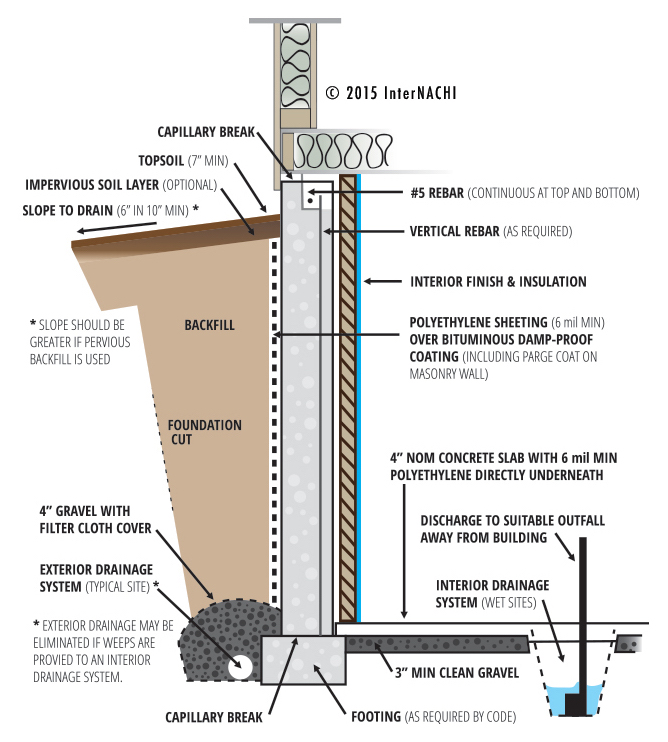
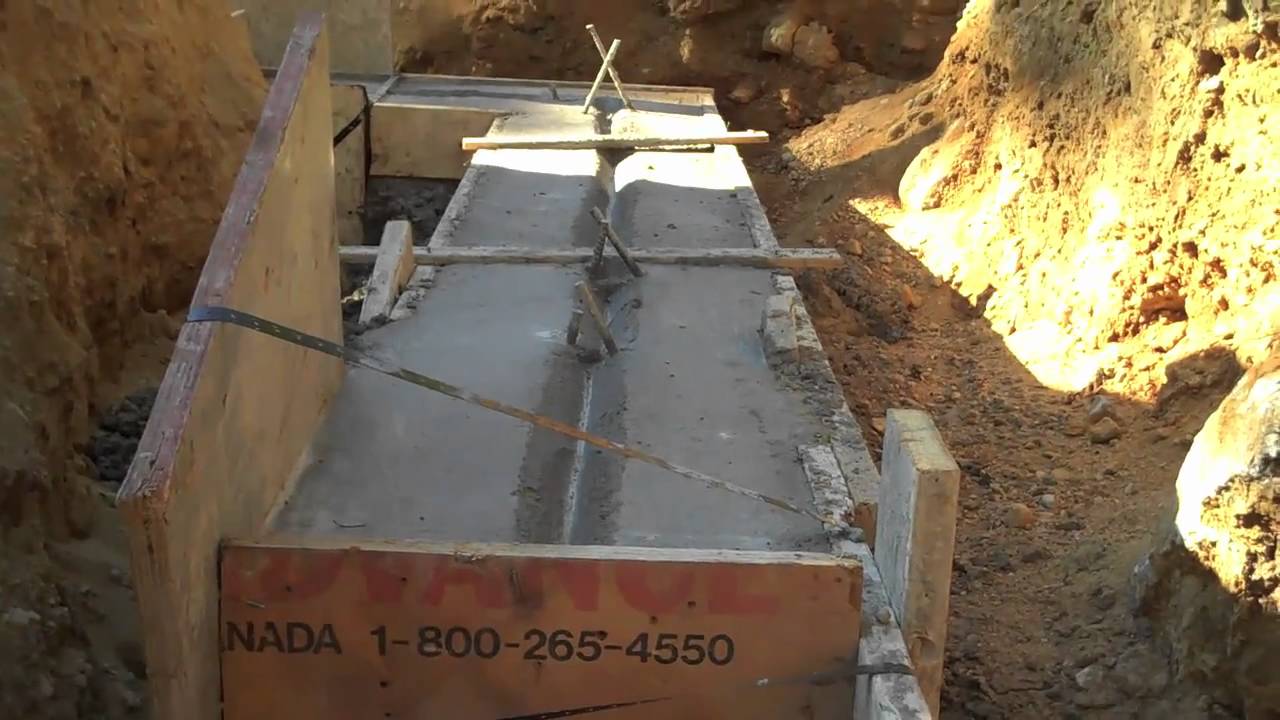
- The foundation is the lowest part of a building, transferring the structure’s load to the ground.
- It ensures stability, prevents settlement, and supports the building’s weight.
2. Types of Foundations
- Shallow Foundations
- Used for lighter structures or strong soil.
- Examples:
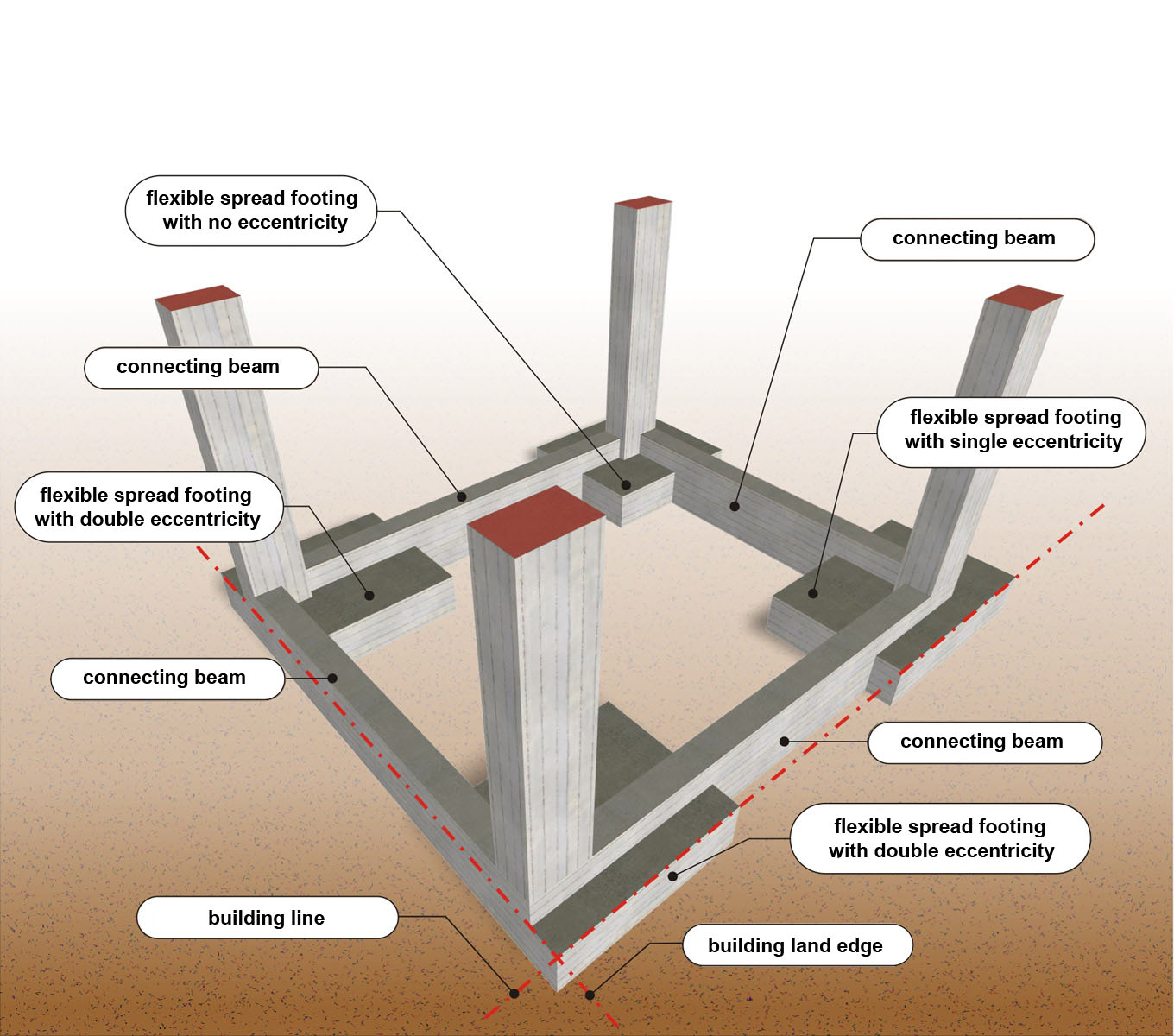
- Spread Footings: Support individual columns.
- Slab-on-Grade: A concrete slab poured directly on the ground.
- Deep Foundations
- Used for heavy structures or weak soil.
- Examples:
- Pile Foundations: Long columns driven deep into the ground.
- Caissons: Watertight structures used underwater or in soft soil.
3. Key Considerations
- Soil Type: Determines the foundation design (e.g., clay, sand, rock).
- Load-Bearing Capacity: Must support the building’s weight.
- Environmental Factors: Account for water tables, frost lines, and seismic activity.
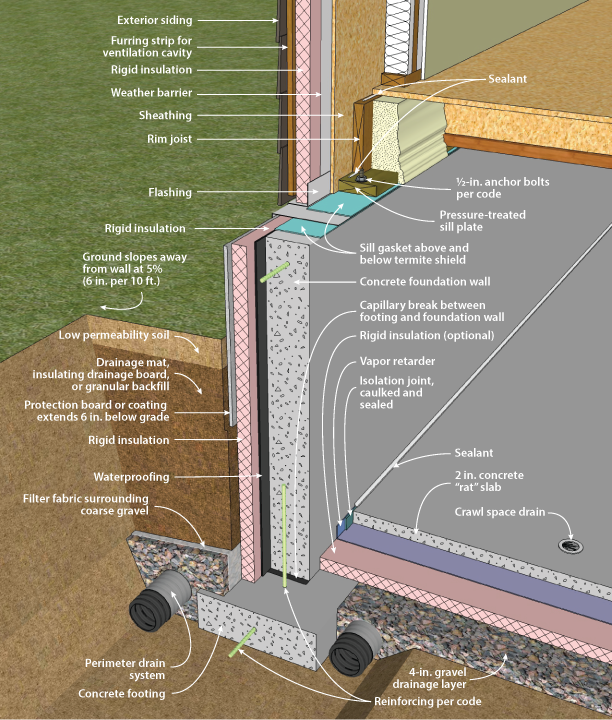
4. Activity: Sketch a Foundation
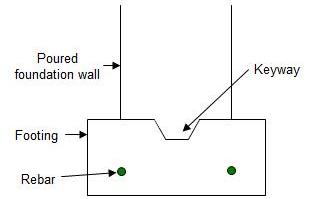
- Draw a simple foundation for a small house, labeling its type and key features.
Conclusion:
A strong foundation is critical for a building’s longevity and safety. Understanding the right type and design ensures a stable and durable structure.