
Back to: Construction Technology
Zoning laws regulate land use in a city. They determine what can be built in a specific area (residential, commercial, industrial, mixed-use, etc.). Zoning laws also control FAR, setbacks, height limits, lot coverage, and open space requirements.

2. FAR (Floor Area Ratio)
Definition: FAR = Total Building Floor Area ÷ Lot Area
FAR controls how much total floor space you can build on a given lot.
✅ Example:
- Lot size = 10,000 sq ft
- Zoning FAR = 2.0
- Maximum buildable floor area = 10,000 × 2.0 = 20,000 sq ft
This means you can build a 20,000 sq ft building on the lot. However, the building’s shape and height depend on setbacks and height limits.
- One possibility: A 2-story building with 10,000 sq ft per floor
- Another possibility: A 4-story building with 5,000 sq ft per floor
- As long as the total floor area is within 20,000 sq ft, different designs are possible.
3. Setbacks
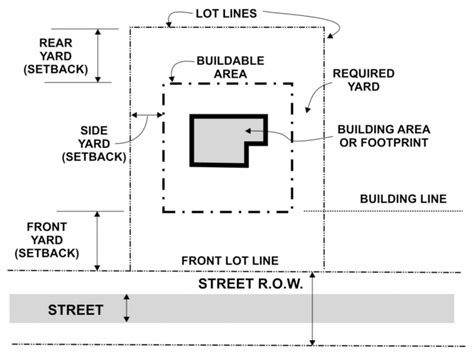
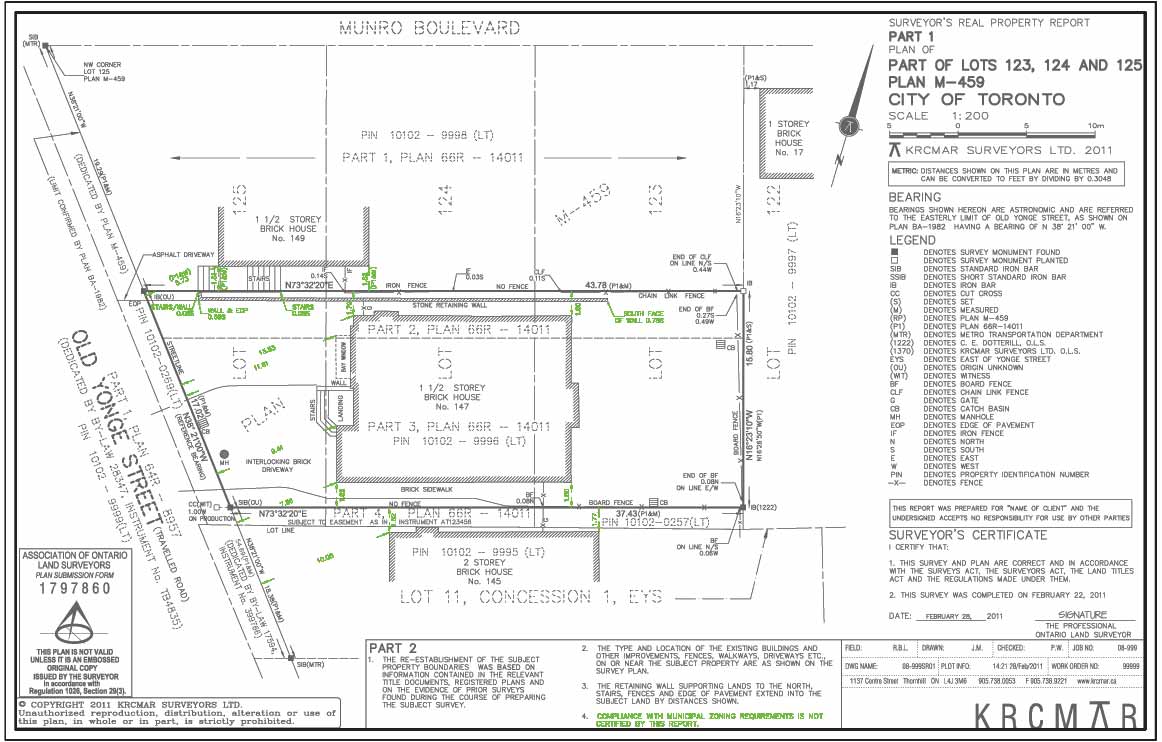
Definition: Setbacks are the minimum distances a building must be from property lines. They ensure air, light, and space between buildings.
✅ Example setback rules:
- Front setback: 20 feet
- Side setback: 10 feet on both sides
- Rear setback: 25 feet
If the lot is 100 ft wide × 100 ft deep, setbacks limit the buildable area:
- After side setbacks (10 ft each), the buildable width = 100 – (10 + 10) = 80 ft
- After front and rear setbacks, the buildable depth = 100 – (20 + 25) = 55 ft
- Maximum building footprint = 80 ft × 55 ft = 4,400 sq ft per floor
If the FAR allows 20,000 sq ft, you may need multiple floors to fit within setbacks.
Final Design Possibility Based on These Rules:
- A 4-story building
- Each floor = 5,000 sq ft
- Buildable footprint adjusted for setbacks
This meets the FAR limit (20,000 sq ft total floor area) and follows setback rules.
Why It Matters
- Zoning & FAR prevent overcrowding.
- Setbacks ensure privacy and space.
- Developers must balance these rules with design goals.
What is an Easement?
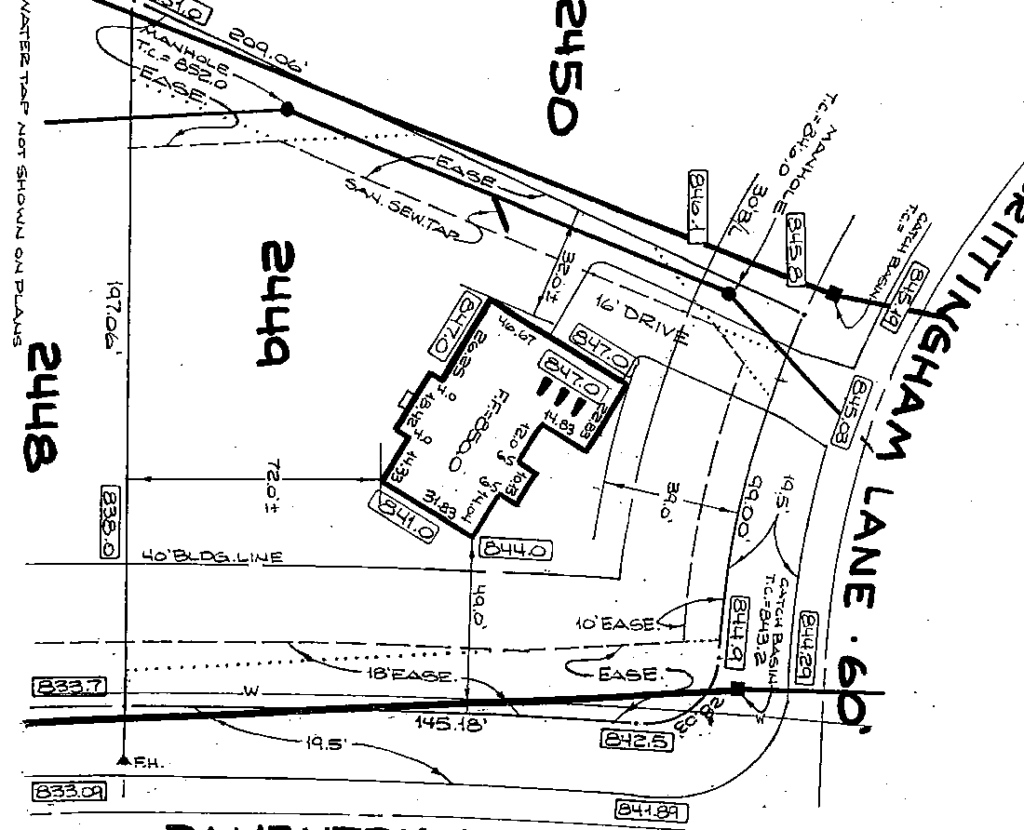
An easement is a legal right for someone else to use a portion of your property for a specific purpose, even though you still own the land. Easements are common in real estate and can affect how you develop or use your property.
Types of Easements
- Utility Easement
- Allows utility companies to install and maintain power lines, water pipes, or sewer lines on private property.
- Example: A power company has an easement to run electrical lines across your backyard. You cannot build a structure that interferes with this.
- Access (Right-of-Way) Easement
- Allows someone to pass through your property to access another area.
- Example: Your neighbor’s house is behind yours, and they have a legal driveway easement across your land to reach the main road.
- Conservation Easement
- Limits development to protect natural resources.
- Example: A landowner agrees not to build on part of their land to preserve a forest or wetland.
- Prescriptive Easement
- Happens when someone has been using your land openly and without permission for a long time (varies by state law).
- Example: A neighbor has used a pathway across your property for 20 years, and the court grants them a legal right to continue using it.
- Easement by Necessity
- Created when a property is landlocked and needs access to a public road.
- Example: A court grants an easement for a landlocked property owner to cross someone else’s land to reach the main road.
How Easements Affect Property Use
- You still own the land, but you cannot block the easement’s intended use.
- Easements usually stay with the property even if it is sold.
- Some easements can be terminated, but it often requires legal action.