
Back to: Construction Technology
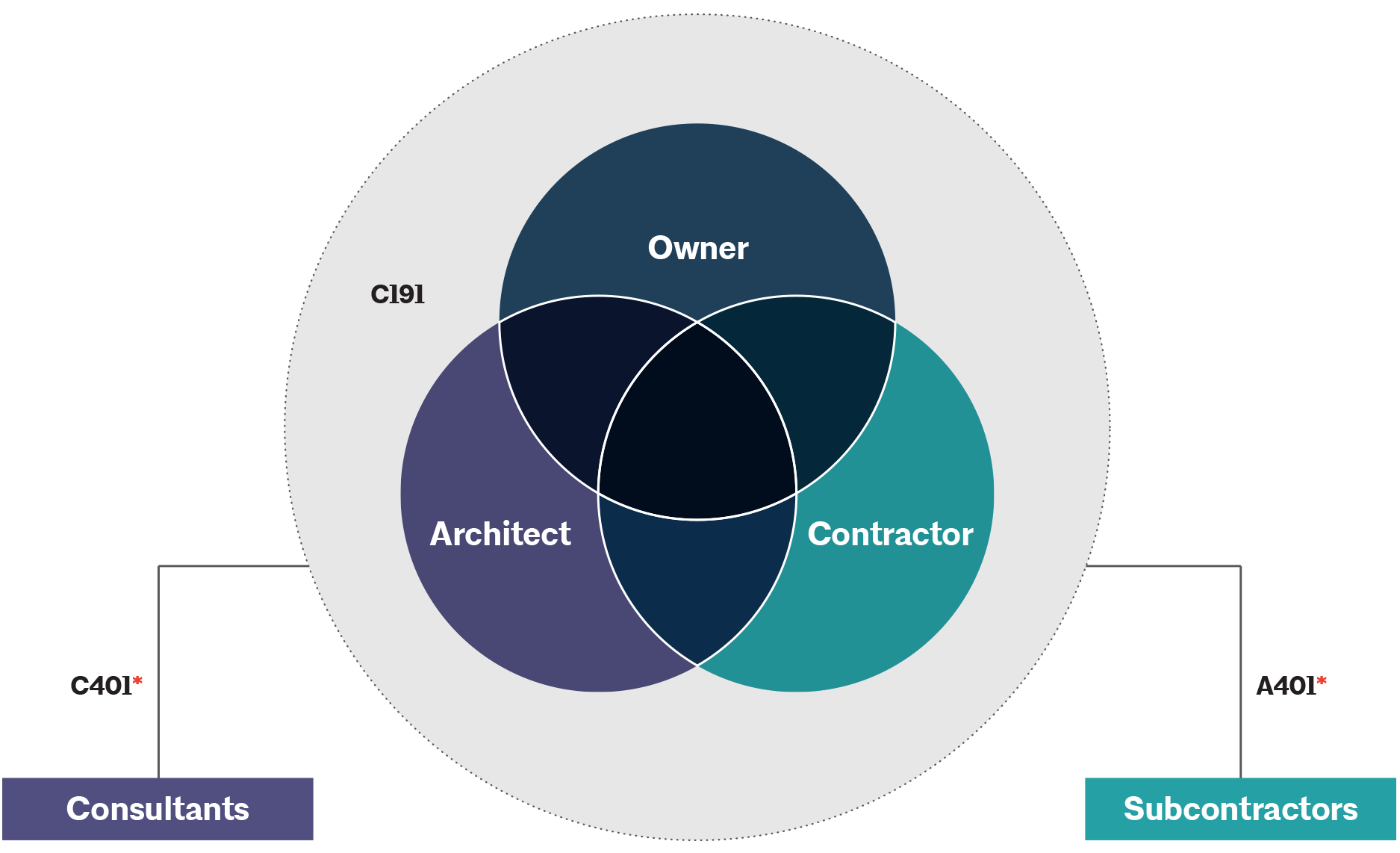
In the architecture profession, the relationship between the owner, the architect, and the contractor is central to the success of a project. Each of these parties plays a distinct role, but they must work collaboratively throughout the project to ensure it meets the desired objectives, both in terms of design and construction. Here’s a breakdown of their roles and responsibilities:
1. Owner (Client)
The owner is the individual or entity that commissions the architectural project. This could be a private individual, a corporation, or a government agency. The owner defines the project’s scope, budget, and timeline, and has the final say on key decisions. The owner’s responsibilities typically include:
- Defining Needs and Budget: The owner identifies the purpose of the project (e.g., residential, commercial, public building) and determines the budget and timeline.
- Selecting the Architect: The owner typically hires an architect based on their expertise, experience, and proposed approach to the project.
- Approving Designs and Changes: The owner must review and approve design proposals at various stages of the project. They are also responsible for approving any changes that may arise during construction.
- Funding the Project: The owner is ultimately responsible for securing and allocating the necessary funds to complete the project.
2. Architect
The architect is the professional responsible for the design and planning of the project. They translate the owner’s needs and vision into a workable design while ensuring the project complies with codes, regulations, and budget constraints. The architect’s responsibilities include:
- Designing the Project: The architect works with the owner to understand their requirements and develops a design that meets these needs, considering aesthetics, functionality, and safety.
- Preparing Documents: Architects create detailed design drawings, specifications, and other documents required for bidding and construction. This can include site plans, floor plans, elevations, and more.
- Obtaining Permits: The architect often handles the process of submitting the design to local authorities to obtain building permits.
- Contract Administration: During construction, the architect may assist in managing the project by conducting site visits, reviewing contractor work, and ensuring the construction aligns with the design intent.
- Coordination with Contractor: Architects communicate and collaborate with the contractor to address any issues that arise during construction and to make adjustments to the design if necessary.
3. Contractor
The contractor is responsible for the actual construction of the project, ensuring that the building is built according to the design, specifications, and timeline outlined in the contract documents. Their responsibilities include:
- Managing Construction: The contractor oversees the construction process, coordinating labor, materials, and equipment to ensure that work progresses according to the schedule.
- Hiring Subcontractors: Contractors often hire specialized subcontractors (e.g., electricians, plumbers, HVAC technicians) to handle specific portions of the work.
- Ensuring Quality Control: The contractor ensures that the work meets quality standards, follows safety regulations, and adheres to the plans and specifications set by the architect.
- Addressing Issues: If issues arise during construction (e.g., unforeseen conditions, material shortages, etc.), the contractor is responsible for addressing these problems and informing the architect and owner. Sometimes this requires adjustments to the design or the schedule.
- Providing Cost Estimates and Updates: The contractor is responsible for providing cost estimates before work begins and keeping the owner updated on costs as the project progresses, especially if there are any changes.
Relationship and Collaboration Between the Parties
The success of the project relies heavily on the effective collaboration and communication between the owner, architect, and contractor:
- Owner and Architect: The architect must understand the owner’s vision, budget, and requirements and incorporate these into the design. The architect is also responsible for keeping the owner informed and involved throughout the design and construction process.
- Architect and Contractor: The architect and contractor must maintain a collaborative relationship to ensure that the project is built according to the design, on time, and within budget. The architect provides guidance and clarification if the contractor encounters issues or questions regarding the design.
- Owner and Contractor: The owner may have direct contact with the contractor, especially regarding timelines, costs, and progress. However, the architect often plays an intermediary role in resolving any conflicts or changes that may arise.
Common Project Delivery Methods
There are different ways that these parties can work together, depending on the project delivery method chosen. Some common methods include:
- Design-Bid-Build (Traditional): In this method, the architect completes the design first, then the project is put out for bids. The contractor is selected based on the bid, and construction begins afterward. The architect’s role continues during construction to ensure the work matches the design.
- Design-Build: In this method, the architect and contractor are typically part of the same team, and the design and construction are managed together. This can streamline communication but may limit the owner’s ability to have a hands-on role in the design.
- Construction Management at Risk (CMAR): The owner hires a construction manager early in the project, who oversees the construction process and works closely with the architect to keep the project on schedule and within budget.
- Integrated Project Delivery (IPD): This method is a more collaborative approach where the owner, architect, and contractor share risks and rewards. Everyone works together from the beginning to ensure the project is delivered efficiently.
In summary, the roles of the owner, architect, and contractor are interconnected, and the success of the project depends on clear communication, collaboration, and mutual respect for each other’s expertise. By working together, they can ensure the project is delivered on time, within budget, and according to the design specifications.